
Free Caption Generator
Try our caption generator with pre-defined captions for different styles and platforms!
Understanding the Basics of Bluffing
Bluffing is a fundamental strategy in poker that involves misleading opponents about the strength of your hand. At its core, bluffing is about confidence and reading the room; you want opponents to believe you hold a stronger hand than you actually do. To effectively bluff, players must master the nuances of body language, facial expressions, and betting patterns, just as they might explore the world of casinos to understand their dynamics, like the fast detail on various strategies. Effective bluffers know when to act aggressively and when to lay low, all of which can greatly influence the game’s outcome.
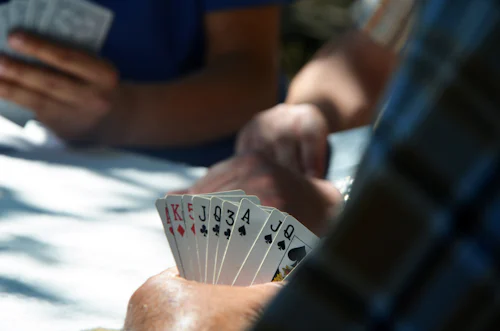
Moreover, it is essential to understand the different types of bluffs. The most common types include the pure bluff, where you have a weak hand and bet strongly to push others out, and the semi-bluff, where you have a hand that could improve. Each type requires a different approach and strategic consideration regarding your opponents’ tendencies and the overall game context. Knowing when to employ each type of bluff can drastically enhance your success rate at the poker table.
Additionally, understanding your table image plays a crucial role in successful bluffing. If you’ve established a tight, conservative playing style, opponents are more likely to believe your bets are strong. Conversely, if your image is overly aggressive, they may call your bluffs more frequently. Therefore, adjusting your approach based on how your opponents perceive you can significantly impact your ability to bluff effectively.
Reading Your Opponents
A critical skill for any poker player is the ability to read opponents. Observing their betting patterns, body language, and reactions can provide vital insights into their hands. For instance, if a player suddenly becomes overly quiet and fidgety when the pot grows larger, it might indicate they’re uncertain about their cards. Recognizing these signs can give you the upper hand when deciding whether to bluff or fold.
Furthermore, paying attention to the psychological aspects of your opponents can greatly inform your bluffing strategy. For example, if a player has just lost a significant pot, they may be more likely to chase their losses with an aggressive betting strategy. Similarly, players who are unaware of the current dynamics at the table may be susceptible to bluffs. Understanding these mental states helps you craft a more targeted bluff tailored to exploit their weaknesses.
Additionally, situational awareness is paramount when bluffing. Every hand has different dynamics based on the community cards dealt, player positions, and previous actions. Effective players adapt their bluffing strategies to the specific circumstances of each hand. For example, a well-timed bluff on a board displaying potential straights or flushes can pressure opponents into folding weaker hands they may otherwise have played. Recognizing when the environment is ripe for a bluff is essential for mastering this art.
Timing and Positioning in Bluffing
Timing is a crucial element when it comes to bluffing. Knowing not only when to execute a bluff but also how to gauge the right moment in the hand can make all the difference. A late position in a round allows for better observation of opponents’ behaviors, which can inform your decision. By positioning yourself effectively, you can capitalize on moments when opponents exhibit signs of weakness, increasing your bluff’s potential success.
Moreover, employing strategic timing means knowing when to bluff in relation to the community cards. For instance, if the board has highly coordinated cards, your opponents might hesitate with their hands, making it an opportune moment to apply pressure. On the other hand, if the board is showing low cards, they may feel more confident in their holds, making bluffing less effective. Therefore, understanding the timing and context of the game is essential for meaningful bluffing.
Additionally, your timing should factor in how many players are in the pot. Bluffing against a single opponent may yield different outcomes compared to bluffing against multiple players. With fewer opponents, the likelihood of success improves, as the chances of someone holding a strong hand decrease. Crafting your bluffs with these considerations in mind will lead to a more refined and effective approach at the poker table.
Developing Your Bluffing Strategy
Building a successful bluffing strategy involves more than just understanding when to act; it requires practice, analysis, and adaptation. One effective method to enhance your bluffing skills is to start by reviewing your past hands. By analyzing instances where you succeeded or failed to bluff, you can identify patterns and adjust your approach accordingly. This self-reflection helps you refine your strategy over time.
Moreover, discussing strategies with experienced players can provide new insights and perspectives on bluffing dynamics. Engaging in conversations about different techniques and situations can broaden your understanding and influence your gameplay. By learning from others, you can incorporate various approaches into your strategy, enhancing your overall effectiveness in bluffing during games.
Finally, it is essential to remember that bluffing is an evolving skill. Continuously adapting your strategies based on your experiences and the behavior of others at the table is crucial. As poker players have diverse styles and habits, being flexible with your bluffing techniques will increase your chances of success. Approaching bluffing as a dynamic aspect of your game will contribute to your growth as a skilled poker player.
Explore More on Our Website
For those looking to improve their poker gameplay, including mastering the art of bluffing, our website offers a wealth of resources. You’ll find in-depth articles, strategy guides, and expert tips designed to elevate your skills. Whether you are a novice or a seasoned player, our content is tailored to engage players at all levels, helping you enhance your understanding of poker dynamics.
Additionally, we feature interviews with professional players who share their insights and strategies, providing an insider’s perspective on the game. Our community forums allow players to connect, share experiences, and discuss various poker strategies, including bluffing techniques. Engaging with fellow enthusiasts can foster learning and inspire new approaches in your gameplay.
In conclusion, our website serves as a comprehensive hub for poker enthusiasts eager to refine their skills. By exploring our resources, you can deepen your understanding of bluffing and other key strategies, making you a more formidable opponent at the table. Join us and embark on the journey to elevate your poker proficiency today.

